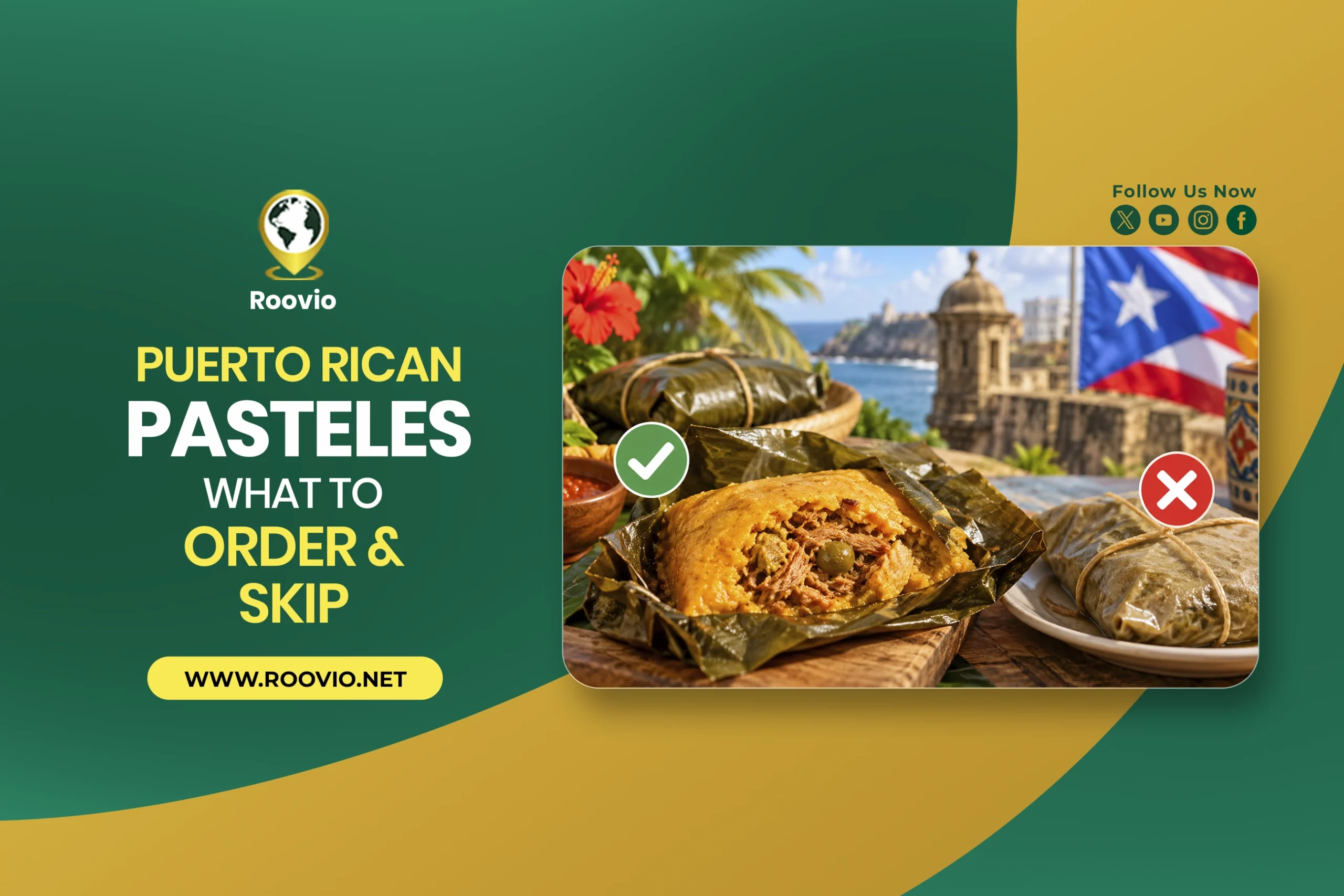
A traveler can spend three days eating in San Juan and never see a pastel on a menu. That surprises people because pasteles are one of Puerto Rico's important celebration foods.
Searches for el pasteles Puerto Rico usually start with a simple assumption: find a traditional restaurant and order one. In practice, availability changes by season, kitchen, day, and sometimes how early you arrive.
What are El Pasteles Puerto Rico Travelers Keep Hearing About?
Puerto Rican pasteles are savory bundles made from a soft masa of green bananas and root vegetables, filled with seasoned meat, wrapped in plantain leaves, and boiled until set.
The current Discover Puerto Rico traditional-food guide describes pork as a traditional filling, with chicken, bacalao, vegan versions, and yuca-based masa also appearing. That range explains why two pasteles may taste quite different.
A typical pastel has several moving parts, and each can change from one family recipe to another. Knowing those parts makes your first order much easier to judge.
- Masa: Green banana with yautía, plantain, calabaza, yuca, or a combination.
- Filling: Commonly stewed pork, with chicken and bacalao also available.
- Seasoning: Sofrito, adobo, achiote, herbs, olives, capers, and family-specific additions.
- Wrapper: Plantain or banana leaf, commonly supported by parchment.
- Cooking method: The wrapped bundle is boiled.
- Peak season: Thanksgiving through Christmas and Three Kings season, with some sellers operating year-round.
The Masa Is the First Thing to Notice
When comparing el pasteles Puerto Rico listings, pay close attention to the masa description. A good cooked pastel should hold together while remaining soft, seasoned, and easy to separate with a fork.
Banana, yautía, calabaza, and yuca create different textures, so there is no single correct shade or firmness. Ask which masa you are getting before dismissing an unfamiliar version as poorly made.
Pasteles Are Not Pastelillos
The names create constant confusion among visitors. A pastel is a boiled, leaf-wrapped masa bundle, while a pastelillo is a fried turnover with a crisp pastry shell and many possible fillings.
Tamales cause another mix-up because their wrapped presentation looks familiar. Puerto Rican pasteles typically rely on green bananas and tropical root vegetables, giving their masa a different flavor and texture from common corn-based tamales.
Why Pasteles Matter So Much in Puerto Rico
Pasteles are strongly tied to Puerto Rican holiday cooking, family production lines, and large batches prepared for freezing.
Local conversations still sound intensely personal. Families discuss masa recipes, olives, filling ratios, ketchup, freezing, and relatives gathering to make dozens or even hundreds during the holiday season.
Online discussions around el pasteles Puerto Rico quickly turn into family preferences: yuca or banana masa, olives or none, ketchup or pique. Those details explain why locals can disagree completely about the same restaurant version.
The dish also belongs to the wider mix of Puerto Rican food, music, and culture that gives the island much of its character for first-time visitors.
If this is your first food-focused trip, then the best foods in San Juan include pasteles within a wider local-food itinerary alongside mofongo, lechón, arroz con gandules, alcapurrias, and other Puerto Rican staples.
Holiday Food Does Not Mean Holiday-Only Food
Travelers searching for the best pasteles in San Juan often find they're listed less consistently than mofongo. Puerto Rico travelers describe pasteles as a seasonal, home-oriented dish that can disappear from everyday restaurant menus.
That seasonality is worth factoring into the best time to visit Puerto Rico, especially when traditional Christmas foods are a priority rather than a bonus.
Some kitchens still carry them beyond Christmas, and specialist sellers may work throughout the year. For el pasteles Puerto Rico searches outside the holiday season; checking the day's menu can save an unnecessary trip.
- Build several worthwhile food stops into the same neighborhood instead of crossing San Juan for a single dish with uncertain availability.
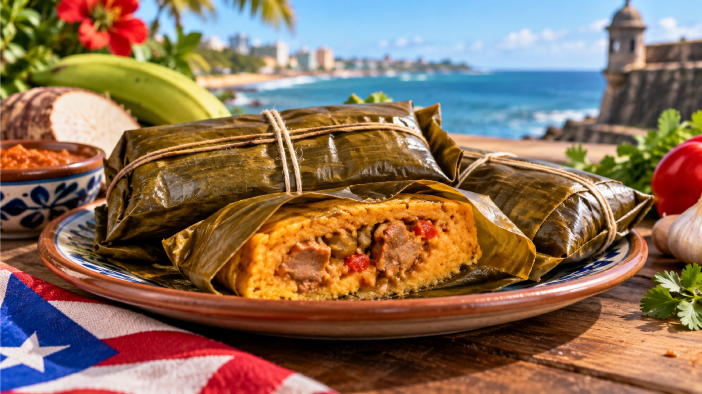
Where to Try Pasteles in San Juan in 2026
For travelers searching el pasteles Puerto Rico, San Juan currently has several credible leads providing a stronger starting point.
La Alcapurria Quemá: The Clearest Current Bet
La Alcapurria Quemá is identified as a place to try authentic pasteles. The Santurce restaurant also specializes in Puerto Rican fritters and comida criolla.
Always remember to see the current menu listing for item availability and prices to prevent inconvenience.
A Puerto Rico route through Old San Juan, El Yunque, and Piñones can also place Deaverdura into the trip without turning one traditional meal into a separate cross-city mission.
Raíces, Orozcos, and La Fonda del Jibarito
The October 2025 Platea Puerto Rico pasteles roundup identifies Raíces, Orozcos, and La Fonda del Jibarito among San Juan businesses serving pasteles. All three give travelers additional leads within the metro area.
For anyone compiling a el pasteles Puerto Rico food list, treat those names as verified leads and still check the current menu. Small batches and seasonal demand can change what's available that day.
Pasteles Doña Bárbara for a Take-Home Option
Pasteles Doña Bárbara in San Juan is renowned for pre-cooked pork and chicken pasteles. This suits travelers with kitchen access or anyone buying several for a family meal.
For other meals, a list of San Juan restaurants worth your time helps separate traditional comida criolla stops from tasting menus, neighborhood restaurants, and expensive tourist-area choices.
- Recent traveler experiences can reveal sold-out dishes, changing menus, waits, and whether a place still feels worth the detour.
Is It Worth Leaving San Juan for Pasteles?
Yes, when your itinerary already includes the mountains or a lechón outing. El pasteles Puerto Rico culture extends across the island, and inland food stops can turn the dish into a broader day trip.
Once the drive has another purpose, nearby places to visit in Puerto Rico can turn a food detour into a fuller day around the island.
Discover Puerto Rico Ciales dining guide names Casa Vieja for traditional dishes including pasteles. Avoid losing half a vacation day chasing one pastel when the road trip itself holds little interest. A San Juan restaurant gives you the dish, while Ciales or Guavate adds scenery and lechonera culture.
What to Skip When Ordering Puerto Rican Pasteles
The easiest mistake is treating every wrapped pastel as interchangeable. Recipes change by household, masa base, meat filling, seasoning, olive use, and the amount of guiso tucked into the center.
El pasteles Puerto Rico quality is easier to judge through balance: seasoned masa, noticeable filling, clean leaf aroma, and a texture that holds together. A bigger pastel does not automatically mean a better one.
If pasteles are unavailable that day, the best mofongo in San Juan offers another traditional dish built around plantain, garlic, pork, and familiar Puerto Rican cooking techniques.
Skip a Dozen Until You Taste One
Pasteles freeze well, so holiday sellers frequently work by the dozen. Travelers should order one first whenever possible because a masa style they dislike becomes a sizable commitment at twelve pieces.
Travelers usually complain about commercially sold pasteles containing too much masa and little meat. It is anecdotal, yet the practical lesson is useful: taste first.
Skip Old Restaurant Lists Without Checking the Menu
A restaurant can serve excellent Puerto Rican food and still have no pasteles available today. The dish takes significant preparation and is commonly produced in batches, especially around holiday demand.
For el pasteles Puerto Rico stops, check current menus, recent diner comments, or same-week availability before traveling across town. Real traveler reviews for restaurants and places help add fresher context to older recommendations.
A rum, rainforest, and street-food route gives the trip enough variety to replace one unavailable dish without making the entire food day feel wasted.
Skip Confusing Pasteles With Pastelillos
This mistake can send you to the correct restaurant for the wrong food. A menu describing a fried turnover, empanadilla, crispy pastry, or hand pie is usually referring to a pastelillo.
Ask for pastel de masa or pastel de yuca when the menu wording is unclear. Leaf wrapping and boiled preparation are the clearest signs of the traditional Puerto Rican food you meant to order.
The Ketchup and Olive Debate Has No Useful Winner
Ketchup on pasteles can start a surprisingly energetic Puerto Rican food argument. Community discussions include supporters of ketchup, pique, no sauce, olives, no olives, and several combinations in between.
Treat those additions as personal preference, not a restaurant-quality score. Taste the first bites plain, then add ketchup or pique if you want extra acidity, sweetness, or heat.
How to Order Pasteles Without Wasting a Meal
A little specificity works better than simply asking whether the pasteles are “authentic.” El pasteles Puerto Rico recipes vary so much by family that the word alone tells you little about what will arrive.
Before ordering, ask a few practical questions about the batch. They quickly tell you whether the restaurant is serving the style you actually hoped to taste.
- Is the masa made with green banana, yuca, or a mixture?
- Is the filling pork, chicken, bacalao, or vegetables?
- Are olives or chickpeas included?
- Are the pasteles made in-house?
- Are they available today or mainly during the holiday season?
- Can you order one before buying a dozen?
- What side is normally served with them?
For a short three-day Puerto Rico itinerary, confirming the batch before leaving your neighborhood matters even more because there is little time to recover from a wasted detour.
If you are moving between neighborhoods, a food-based San Juan itinerary can keep restaurant stops near attractions already on your route. That helps when your first choice sells out unexpectedly.
Travelers continuing beyond San Juan can also fold food stops into four days in West Puerto Rico, letting regional exploration justify the drive instead of chasing one dish alone.
Frequently Asked Questions
Are Puerto Rican pasteles the same as tamales?
They belong to related wrapped-masa food traditions. Puerto Rican pasteles generally use green banana, yautía, yuca, plantain, or calabaza, giving them a different texture from common corn-masa tamales.
What are pasteles Puerto Rico made from?
Traditional versions usually combine seasoned green-banana or root-vegetable masa with a stewed pork filling, then wrap everything in plantain leaves for boiling. Chicken, bacalao, yuca, and vegan variations also exist.
What do Puerto Rican pasteles taste like?
Expect savory, earthy masa carrying some aroma from the leaf, with a seasoned stew at the center. Pork versions commonly include sofrito, achiote, herbs, olives, or capers depending on the recipe.
When do Puerto Ricans eat pasteles?
Pasteles are strongly associated with Puerto Rico's extended Christmas season, commonly appearing from November through Christmas and Three Kings celebrations. Families frequently freeze large batches for later meals.
Where can I find the best pasteles in San Juan?
La Alcapurria Quemá is a strong current starting point because Puerto Rico's official tourism site specifically recommends it for pasteles. Raíces, Orozcos, and La Fonda del Jibarito are additional recent leads.
Are Puerto Rican pasteles sweet?
Traditional pasteles are savory. Green bananas and root vegetables form the masa, though ingredients such as calabaza can introduce a mild natural sweetness depending on the family's preparation.
Should I put ketchup on a pastel?
That decision belongs entirely to your palate and perhaps the Puerto Rican relative sitting beside you. Try several bites plain first, then add ketchup or pique according to preference.
Can I get pasteles outside Christmas season?
Yes, although availability becomes less predictable outside peak holiday months. Some restaurants and specialist sellers keep them around longer, making current menus and recent traveler feedback especially useful.
Plan the Pastel Stop, Then Keep Eating
Pasteles deserve a place in a Puerto Rico food itinerary because they carry family technique, holiday tradition, and ingredients distinct from the island's fried street foods. One good pastel teaches you what to notice next time.
For el pasteles Puerto Rico searches, the practical route is simple: verify availability, ask about the masa, order one first, and keep another food stop nearby. That leaves room for the rest of San Juan.
Roovio lets travelers compare real experiences, save restaurants, and place food stops beside beaches, neighborhoods, and attractions in one itinerary. Join Roovio to find authentic Puerto Rican pasteles and keep the rest of your Puerto Rico food day organized around places actually worth the detour.