Puerto Rico is a small island in the Caribbean, but its story stretches far beyond its size. Spanish colonial streets, colorful local traditions, Caribbean flavors, music, and generations of history have shaped a culture that feels unmistakably Puerto Rican.
For travelers, that character shows up everywhere. Warm beaches meet green mountains, old stone forts stand above the sea, and quiet coastal towns offer a very different rhythm from the energy of San Juan. A few hours on the road can take you from historic streets to rainforest trails, secluded coves, or water that glows after dark.
That mix is what Puerto Rico is known for. From the places that shaped its history to the food, music, beaches, and natural wonders that define the island today, Puerto Rico offers far more than a Caribbean getaway.
What Puerto Rico Is Known For, Piece By Piece
So, what actually puts Puerto Rico on the map? Its beaches are an obvious one, but they're far from the whole story. The island is also known for Old San Juan, El Yunque, Puerto Rican food and music, rum, coffee, and its rare bioluminescent bays.
Here are the ones worth knowing about.
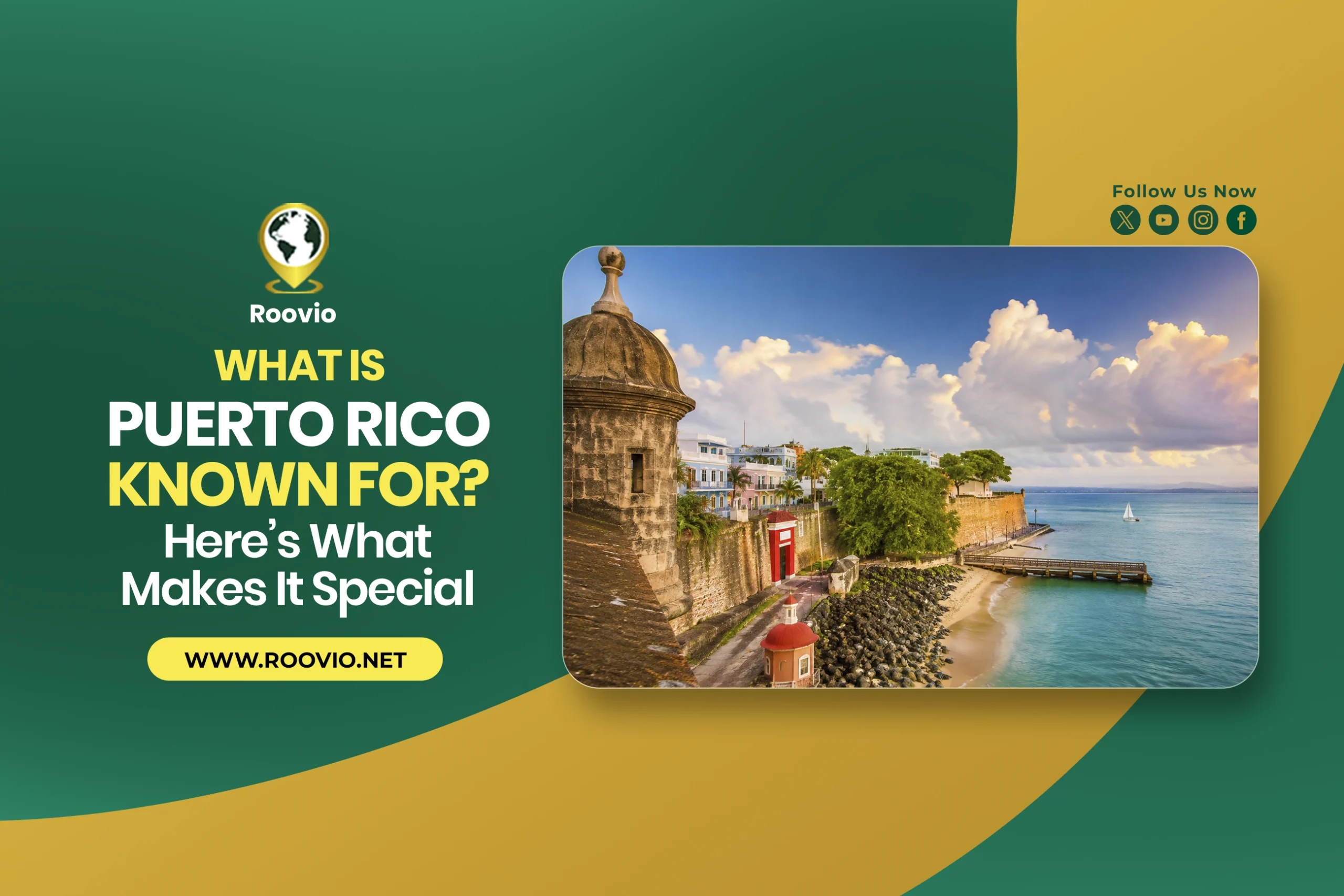
Old San Juan carries the marks of Spanish rule from the moment the city was founded in 1521. The Spanish are long gone, but their presence still stands in the massive walls of Castillo San Felipe del Morro and Castillo San Cristóbal. Together with the city's historic fortifications, the district earned UNESCO World Heritage status in 1983.
Blue-gray cobblestones, colorful colonial buildings, and historic walls give the city a character that goes far beyond Puerto Rico's beaches.
Old San Juan offers a rare mix of colonial history, Caribbean food, and lively urban culture without feeling like a fenced-in resort town. Travelers can wander its busy streets while tasting traditional dishes such as mofongo, garlic tostones, and fresh seafood.
El Yunque: Puerto Rico Known For The Only US Tropical Rainforest
El Yunque National Forest is the only tropical rainforest in the U.S. National Forest System. The forest receives more than 14 feet of rain each year, which helps explain the moss-covered trees and constant sound of water. La Mina Falls draws the crowds, while Yokahú Tower delivers sweeping mountain views. The coquí, a thumb-sized tree frog and unofficial national symbol, sings through the night from every direction, yet spotting one takes patience.
The forest also works well for families because a visit can mix short walks, waterfalls, wildlife, and scenic stops without requiring a full day on the trail. Parents planning things to do in Puerto Rico with kids can pair El Yunque with a nearby beach or another easygoing family stop.
The Bio Bays: Puerto Rico Known For Water That Glows
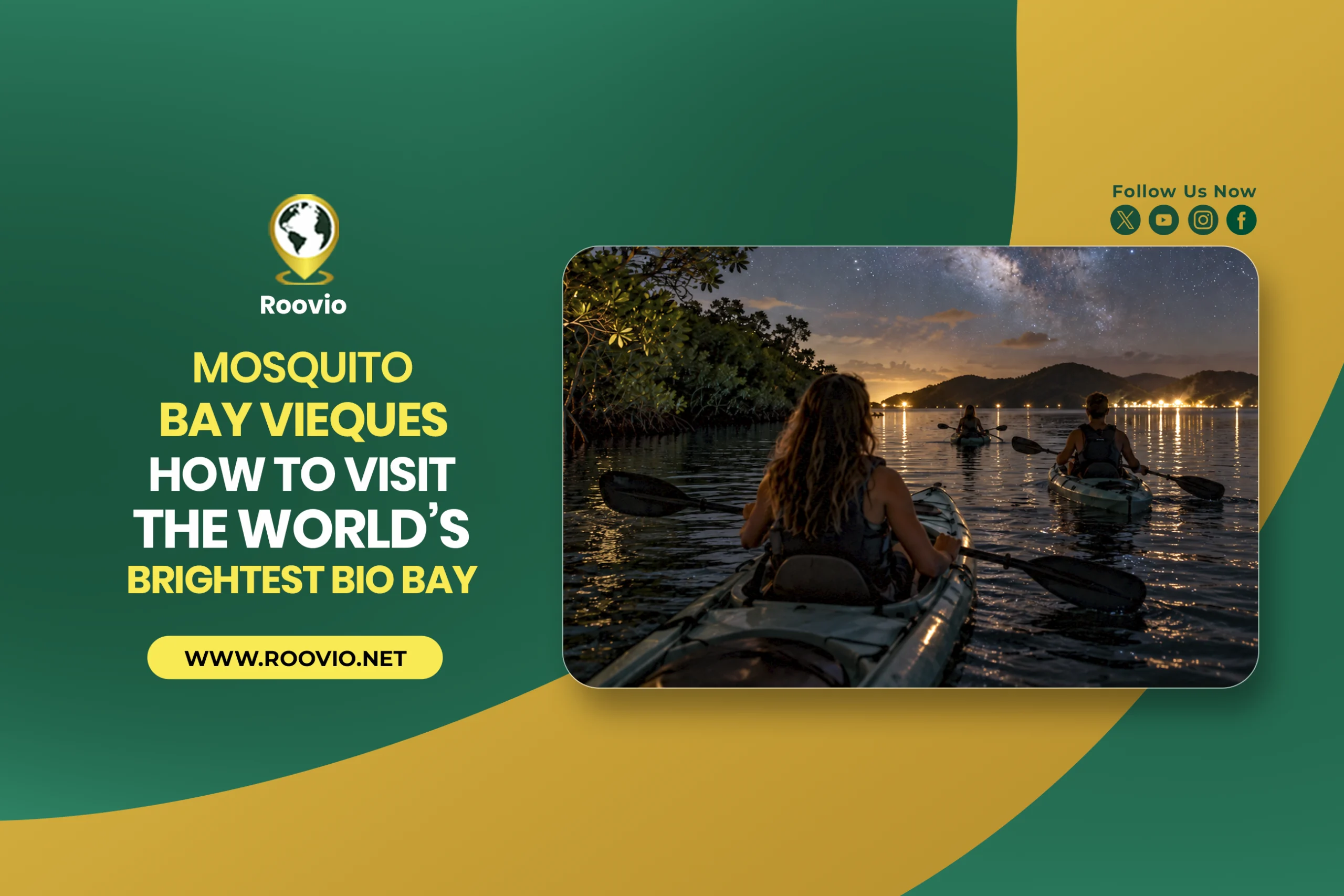
Puerto Rico is known for three bioluminescent bays, where microscopic dinoflagellates create a blue-green glow in the water. Mosquito Bay on Vieques is the brightest of the three, with enough bioluminescence to light up the water around a moving paddle. Laguna Grande in Fajardo offers one of the most convenient options for travelers based around San Juan, while La Parguera on the southwest coast offers boat tours.
- Plan around the moon, not the calendar. Bright moonlight washes out the glow completely. Book a tour within a few days of the new moon, choose kayak over pontoon for the darkest water, and skip sunscreen or bug spray before launch. Guides turn people away for that reason alone.
Beaches, Culebra, And Vieques: Puerto Rico Known For Free Public Sand
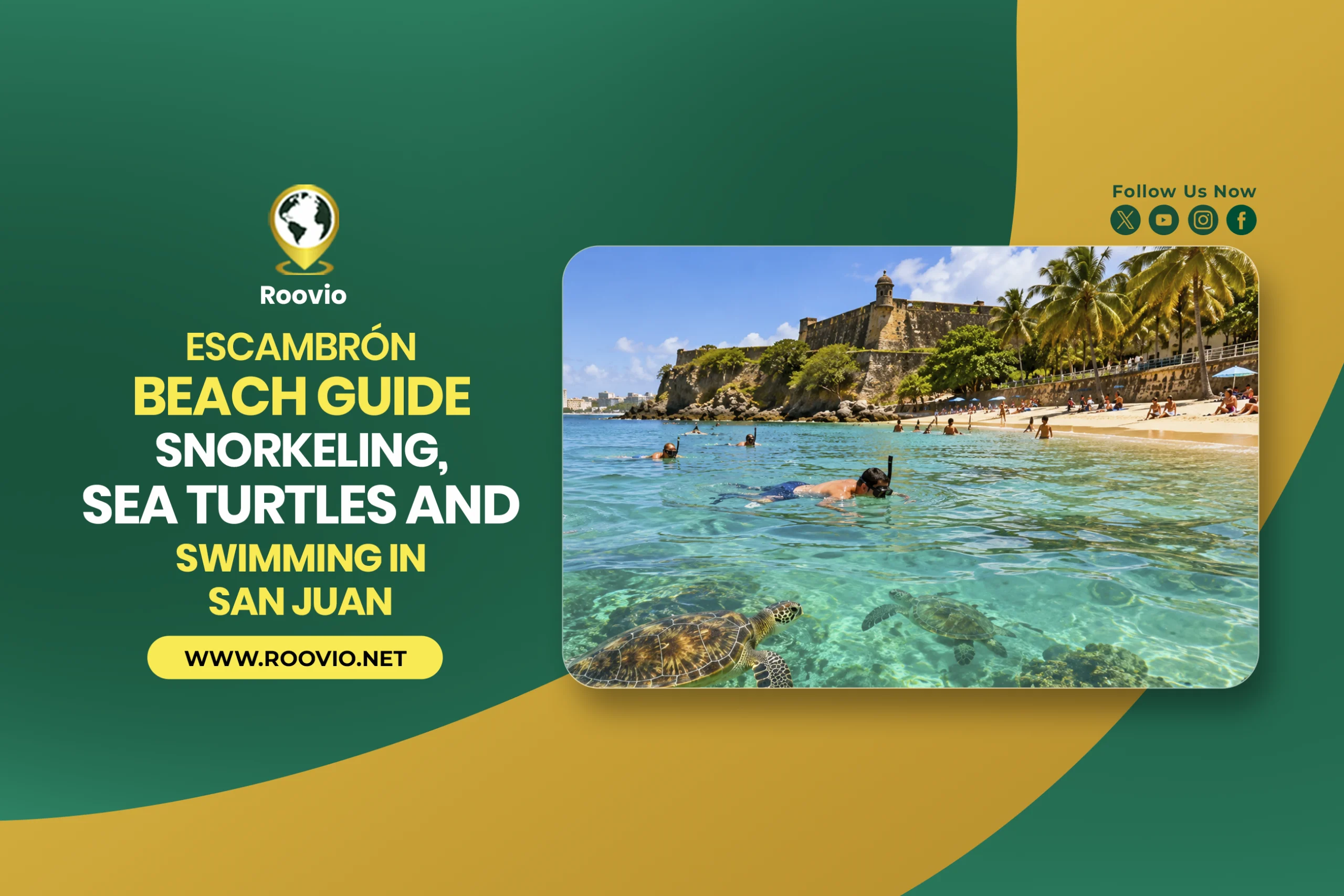
Beaches are one of the first things Puerto Rico is known for, but no two stretches of sand feel quite the same. Flamenco Beach on Culebra brings calm turquoise water and excellent snorkeling. Vieques offers quieter coves, wild horses, and a more secluded feel.
On the west coast, Crash Boat Beach draws visitors for clear water, colorful boats, and an easygoing local atmosphere. Luquillo brings another kind of beach day, with food kiosks close to the shore.
The best part is that Puerto Rico's beaches are public. A private home or resort may sit behind the palms, but public access remains protected. Travelers can compare different beaches in Puerto Rico and choose a base around the kind of beach experience they want, whether that means snorkeling, swimming, surfing, or a quiet afternoon by the water.
The Food: Puerto Rico Known For Mofongo And Roadside Lechón
Food can become one of the strongest memories from a trip. In Puerto Rico, local dishes bring the island's history, culture, and everyday traditions straight to the table. Mofongo, lechón, tripleta, and roadside pinchos all give travelers a taste of a different side of the island.
Start with mofongo, made from fried green plantains, garlic, and pork cracklings mashed together in a wooden pilón. Shrimp, chicken, or churrasco often fills the center. Then head toward Guavate, where roadside asaderos roast whole pigs over open pits, especially on weekends.
For a quick bite, grab a tripleta packed with three meats or a few pinchos from a roadside grill. Add arroz con gandules to the table and café con leche in the morning, and the food alone gives the trip a distinctly Puerto Rican flavor.
Music And Pride: Puerto Rico Known For Bomba, Salsa, And Global Reggaetón
Music gives a place its rhythm, and Puerto Rico carries that rhythm everywhere. Bomba and plena connect Taíno, Spanish, and West African influences through drums, call and response, and dance. In bomba, the dancer leads the drummer, creating a conversation through movement and sound.
Salsa grew through Puerto Rican communities on the island and in New York, while reggaetón later pushed San Juan into the global Latin music scene. Names such as Bad Bunny and Daddy Yankee helped take that sound far beyond the island.
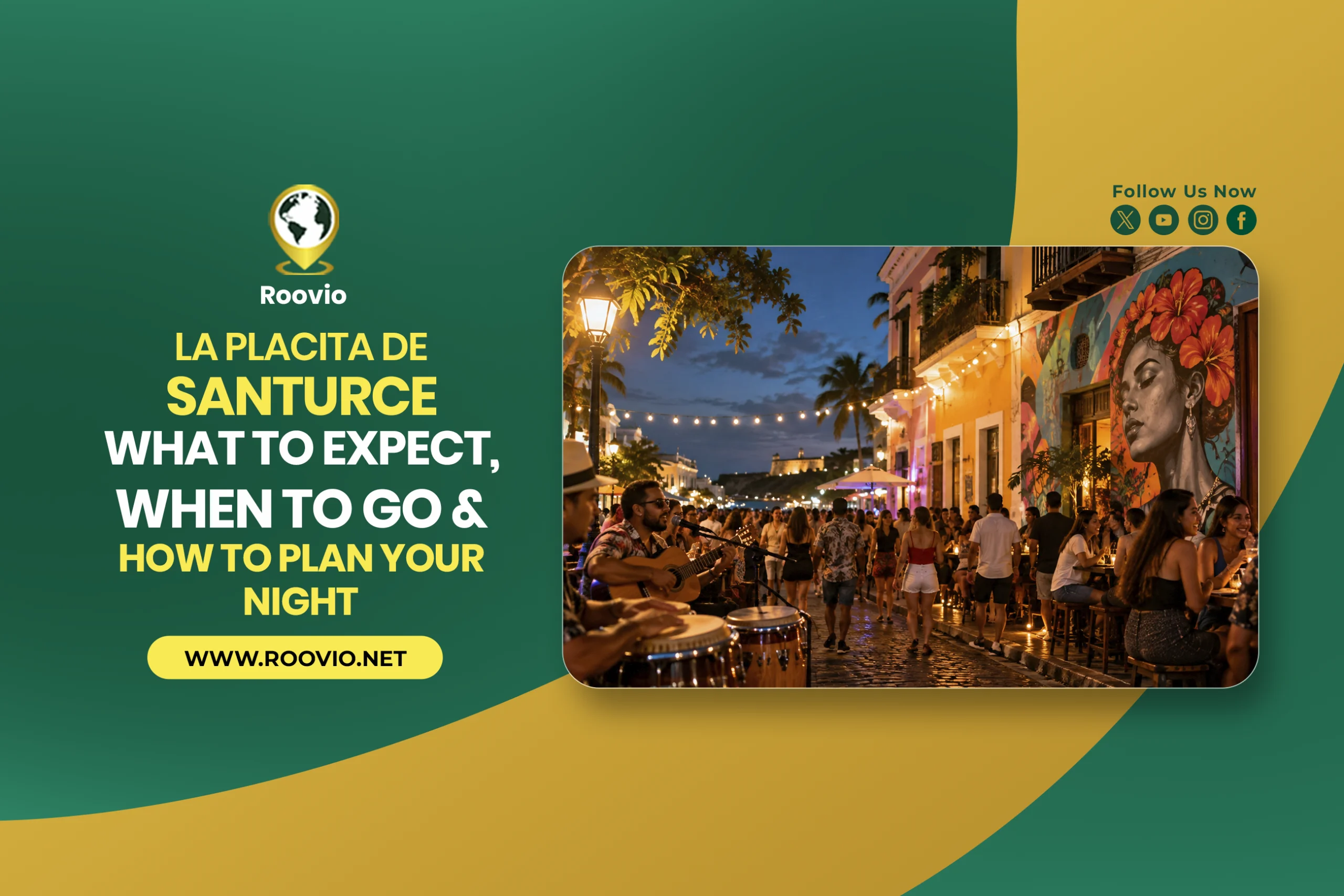
Music also blends naturally into nightlife. La Placita de Santurce fills with music, dancing, food, and crowds on Thursday nights. For travelers, a night there can reveal a side of Puerto Rico that beaches and historic sites simply cannot.
What A Puerto Rico Trip Actually Costs
Most Puerto Rico known for roundups skip the numbers. Budgets decide trips, so here come the numbers. US minimum wage laws, US labor costs, and imported groceries all apply, which keeps the island well above budget-Caribbean pricing.
| Line item | Real cost |
|---|---|
| Both Old San Juan forts, 2-day pass | $10 per adult |
| Bio Bay kayak tour | from about $20 per person |
| Gozalandia waterfalls, San Sebastián | $10 per car |
| Good Old San Juan dinner for two | around $50 before drinks and tip |
| Rental car, compact | $45 to $75 per day |
| Uber across the metro area | $8 to $20 per hop |
| Roadside kiosk lunch | $6 to $12 |
A Puerto Rico trip can cost more than expected when every meal, hotel night, and activity stays in the busiest tourist areas. Condado and Old San Juan offer convenience, but neighborhood restaurants, roadside kiosks, and west coast towns such as Rincón and Aguadilla can stretch the budget further while offering a more local feel.
Families can also look beyond the main tourist zones for better accommodation value. Travelers who prefer one upfront price can compare all-inclusive resorts in Puerto Rico. For a clearer idea of the overall budget, check Roovio's Puerto Rico travel cost breakdown.
Money, Currency, And Fast Puerto Rico Facts
If you are wondering what currency Puerto Rico uses? It's dollars. The US dollar has served as the official currency in Puerto Rico since 1898, so nobody needs an exchange desk, a conversion app, or a foreign transaction fee.
Cards work across San Juan, though Puerto Rico money habits stay cash-friendly at kioskos, beach shacks, and small guesthouses, so carry $40 to $60 in small bills.
A few more Puerto Rico facts that shape the packing list:
- Locals call the currency in Puerto Rico "pesos" in casual speech. Prices stay in dollars.
- No passport applies to US citizens. A REAL ID driver's license clears TSA both ways, one of the most useful Puerto Rico fun facts for last-minute trips.
- The island spans 100 by 35 miles. Among interesting facts about Puerto Rico, the size surprises people most, since mountain roads stretch a 90-minute distance into three hours.
- Atlantic hurricane season peaks in September. Shoulder months bring lower rates for anyone scanning places to visit in September in the US.
- Tap water meets US standards across the metro area. Skip the bottled cases and pack a filter flask per the Puerto Rico packing list.
- The coquí frog and the flamboyán tree show up on more souvenirs than anything else, two more fun facts about Puerto Rico worth knowing before shopping.
The facts are useful. The real fun starts when those details turn into an actual trip. Once the dates and destination are set, the next challenge is finding a stay that fits the budget, location, and travel style. Roovio brings those options together, making the hotel search easier when Puerto Rico starts moving from an idea to a real getaway.
Puerto Rico Is More Than a Beach Destination
Puerto Rico may first catch your attention with its beaches, but the island offers much more. Old San Juan brings centuries of history, El Yunque adds rainforest and waterfalls, and the bio bays glow after dark. Mofongo, lechón, coffee, rum, bomba, salsa, and reggaetón add another layer of Puerto Rican culture.
For American travelers, the U.S. connection also makes the trip simple while preserving a distinctly Caribbean feel. If Puerto Rico sounds like your kind of vacation, Roovio can help you plan the next step, from choosing where to stay to building a route that fits your trip.