Ocean air has a way of making us forget the emails, deadlines, and everyday stress waiting back home. That's one reason Americans head to Puerto Rico for a beach vacation: to walk on soft white sand, swim in clear turquoise water, stretch out under the sun, and let a warm breeze do its thing.
But that's the picture in your head. When you finally reach the beach, it can look almost exactly like the reel that convinced you to come. The water is still blue, and palm trees are still there too. However, what the camera forgot to show you is the shore, which is filled with too much crowd and makes it noisy. And that tiny patch of sand where you're left trying to find room for your chair.
So before you choose a beach simply because it looked perfect on your screen, make sure it's actually worth giving up a day of your vacation for. Whether you're after quiet turquoise coves, soft white sand, calm swimming water, or a great snorkeling spot, these are the beaches worth putting on your Puerto Rico itinerary.
The Best Beaches in Puerto Rico: According to Travelers
Before putting together this list of the best beaches in Puerto Rico, we looked beyond the usual travel rankings. We went through traveler itineraries on Roovio, read Google reviews and comments across other travel platforms, and compared what people actually liked and disliked about each beach.
A few things came up again and again: clear water, clean sand, a calmer atmosphere, good food nearby, easy parking, and prices that don't make a beach day feel unnecessarily expensive. Those details helped us narrow the list down to beaches that offer more than a great photo.
Here are the best beaches in Puerto Rico to put on your list:
1. Flamenco Beach, Culebra: the one that earns the hype
Flamenco is the best beach in Puerto Rico, and locals rarely argue the point. It runs as a mile-long horseshoe of powder-white sand with a shallow shelf you can wade for 40 meters.
The water stacks into three separate blues before it reaches the reef. A graffiti-covered rusted tank sits half-buried at the north end, left behind from the old Navy era, and it produces the strangest and best photograph on the island. Temperatures hold between 82 and 87°F most of the year, and the ridge behind the bay keeps a breeze moving across the sand.
Access is the only thing that separates Flamenco from the rest of the best beaches in Puerto Rico, and it takes commitment.
Plan it like this:
- Take the first ferry out. Shade, parking, and the good stretch of sand are gone by 11 a.m.
- Walk 15 minutes over the hill to Playa Carlos Rosario for far better snorkeling and a fraction of the crowd.
- Tamarindo, a short taxi ride away, is the reliable spot for sea turtles in waist-deep water.
- Rent a Jeep on Culebra itself. The ferry will not carry cars over from the mainland.
- Kiosks at the entrance handle lunch. Empanadillas and a cold Medalla, and that is the whole plan.
2. Crash Boat, Aguadilla: skip the ferry, keep the turquoise
Among the best beaches in Puerto Rico this one is the loudest and the most social, and it needs no boat schedule. If a ticket line sounds like work, drive west instead. Crash Boat delivers deep, glass-clear water with no ticket line, and it is easily the most entertaining beach in Puerto Rico.
The old wooden and concrete pier carries the whole personality: bright murals, barnacled columns, and a permanent rotation of teenagers launching off the end into water deep enough to swallow the jump. Divers circle the pilings. Jet skis buzz the buoys. A speaker is always playing somewhere.
Sand is coarse and golden, the shore drops away fast, and the water behind the jetty usually stays calm and warm. Candy-colored fishing boats line the ramp. Regulars describe it as the beach that behaves like a nightclub, and that reputation is accurate by noon on a Saturday.
Plan it like this:
- The lot fills by 10 a.m. on weekends. Arrive earlier or plan to circle for half an hour.
- Snorkel the pier columns for schooling fish, then clear out before the jumpers land on you.
- Buy pinchos and bacalaitos from the trucks near the entrance, then eat them on the rocks at the far left corner where the crowd thins.
- Currents turn serious north toward the point. Stay inside the roped pier zone.
- Steps Beach and Playa Peña Blanca sit 20 minutes away for calmer snorkeling.
3. Playa Sucia and Buyé, Cabo Rojo: the wild, cinematic southwest
Trade the party for silence. These two sit high on any shortlist of the best beaches in Puerto Rico for travelers who want scenery over amenities. On the southwest coast, the island stops performing, and the geology does the work. Playa Sucia, also called La Playuela, is a dramatic crescent tucked inside a limestone cove, framed by scrub cliffs with the Los Morrillos lighthouse standing above it.
The Caribbean reads pale jade at the shoreline and deep sapphire past the rocks. Barely anyone swims at the far end. Fifteen minutes down the same road, Playa Buyé offers the opposite: bath-warm shallows, soft yellow sand, and sea grape trees throwing real shade.
The last stretch of road into Sucia is badly broken. Most visitors park early and walk 10 to 20 minutes in full sun, which is exactly where a Jeep pays for itself. Gates close at 5 p.m.
Plan it like this:
- Arrive by 8 a.m., swim first, then hike up to the lighthouse before the sun turns punishing.
- Reapply sunscreen twice. The trail has zero shade. Reef shoes are recommended by almost every Puerto Rico packing list, along with two liters of water per person.
- The pink salt flats sit across the road and cost nothing to walk, which puts them high on any list of free things to do in Puerto Rico.
- Buyé and El Combate are the calm, kid-safe fallback when Sucia gets windy.
- Go on a weekday. Locals warn that Buyé becomes a parking crisis by Saturday noon.
4. Balneario La Monserrate, Luquillo: the screen-famous, family-proof classic
Hollywood has filmed enough Caribbean fantasy that most people can picture the shot before booking the flight. Luquillo is the version you can stand in, and it has turned up on screen from streaming productions to resort campaigns. It is located about 30 miles east of San Juan, roughly 45 minutes to an hour by car.
A natural offshore reef breaks the Atlantic swell before it reaches shore, and that single geographic fact makes it the safest swimmable beach in Puerto Rico for anyone traveling with small children.
Of all the best beaches in Puerto Rico, this one asks the least of you. Palms lean over honey-colored sand, and the water goes flat and glassy for long stretches. As a managed balneario, it comes with a real parking lot at $3 to $4, restrooms, changing rooms, outdoor showers, and the Mar Sin Barreras path that carries wheelchairs toward the ocean. Reviews on Roovio and elsewhere repeat one plan more than any other on the island: El Yunque in the morning, Luquillo in the afternoon.
Plan it like this:
- Leave the cooler at the hotel. Order grilled chicken skewers at kiosk 8, then alcapurrias and pastelillos from the stalls beside it.
- Eat on the wall facing the water instead of at a table. Better view, better breeze.
- Reef sandals help around the seagrass patches.
- Currents still exist past the reef line, so keep kids inside the calm band.
- This is the top pick for things to do in Puerto Rico with kids whenever the north coast turns rough.
5. Mar Chiquita, Manatí: the moon-shaped pocket the Atlantic carved itself
The shape sells it. Mar Chiquita is a small half-moon cove bitten out of the limestone, with a natural rock wall guarding the mouth while the open Atlantic hammers the outside of it. On a calm morning, the pool inside turns clear blue-green and unreasonably photogenic, and the sand is visible under your feet. On a big swell day the same cove churns white, and locals will tell you to stay out without debate.
Few of the best beaches in Puerto Rico photograph this well from above. Sand runs coarse and pale gold. Six to eight vendors set up near the lot, umbrella and chair rentals stay cheap, and sunset from the rocks above the cove competes with anything on the island. Swim shoes matter here, because the entry rocks are slick.
Plan it like this:
- Check Swim Safe PR the night before. This cove changes personality fast.
- Sunrise delivers the clearest Puerto Rico water and an empty parking lot.
- Climb the right-hand rocks for the postcard angle, carefully, in real shoes.
- La Poza del Obispo in Arecibo sits 20 minutes west and runs shallower for kids.
- Playa Puerto Nuevo in Vega Baja holds the main island's only Blue Flag and swims calmer.
How to Plan a Trip Around the Best Beaches in Puerto Rico
Choosing from the Puerto Rico best beaches list is the easy half. One beach never fills a full day, and this is where most first-timers lose hours. Swimming ends around 1 p.m., everyone is salty and starving, and nobody knows what sits 20 minutes down the road. Full trip logs on Roovio solve that before you leave the hotel. Travelers post the complete day there, beach plus the lunch stop plus the waterfall plus the drive times, so you copy a route that already worked instead of guessing in a parking lot.
The rest of the practical picture:
- Seasons decide everything. North coast swells run from roughly September into late March, which turns Condado, Manatí, Arecibo, and Rincón rough and murky. Summer flattens the north. Spring and summer bring sargassum seaweed, and some years it piles up badly. The south and southwest stay calmest overall. Sort this out before anything else, alongside the best time to visit Puerto Rico.
- Most Puerto Rico beaches have no lifeguard. Balnearios sometimes staff one. A red flag means stay dry, and locals repeat that warning for good reason.
- Puerto Rico beaches are all public by law. Hotels cannot fence anyone out, so pulling over when you spot good sand is completely legal.
- Rent a car, and bring proof of your own auto insurance. Rental agencies in Puerto Rico usually require it more than anywhere else.
- Give it a week minimum. Two nights in San Juan, one out east, two in the southwest, and one island day is a sane rhythm. The full breakdown of how many days to stay in Puerto Rico covers the shorter versions.
- Sleep strategically. Base west for Crash Boat and Isabela, east for Luquillo and the ferries. Compare cheap hotels in Puerto Rico by region first.
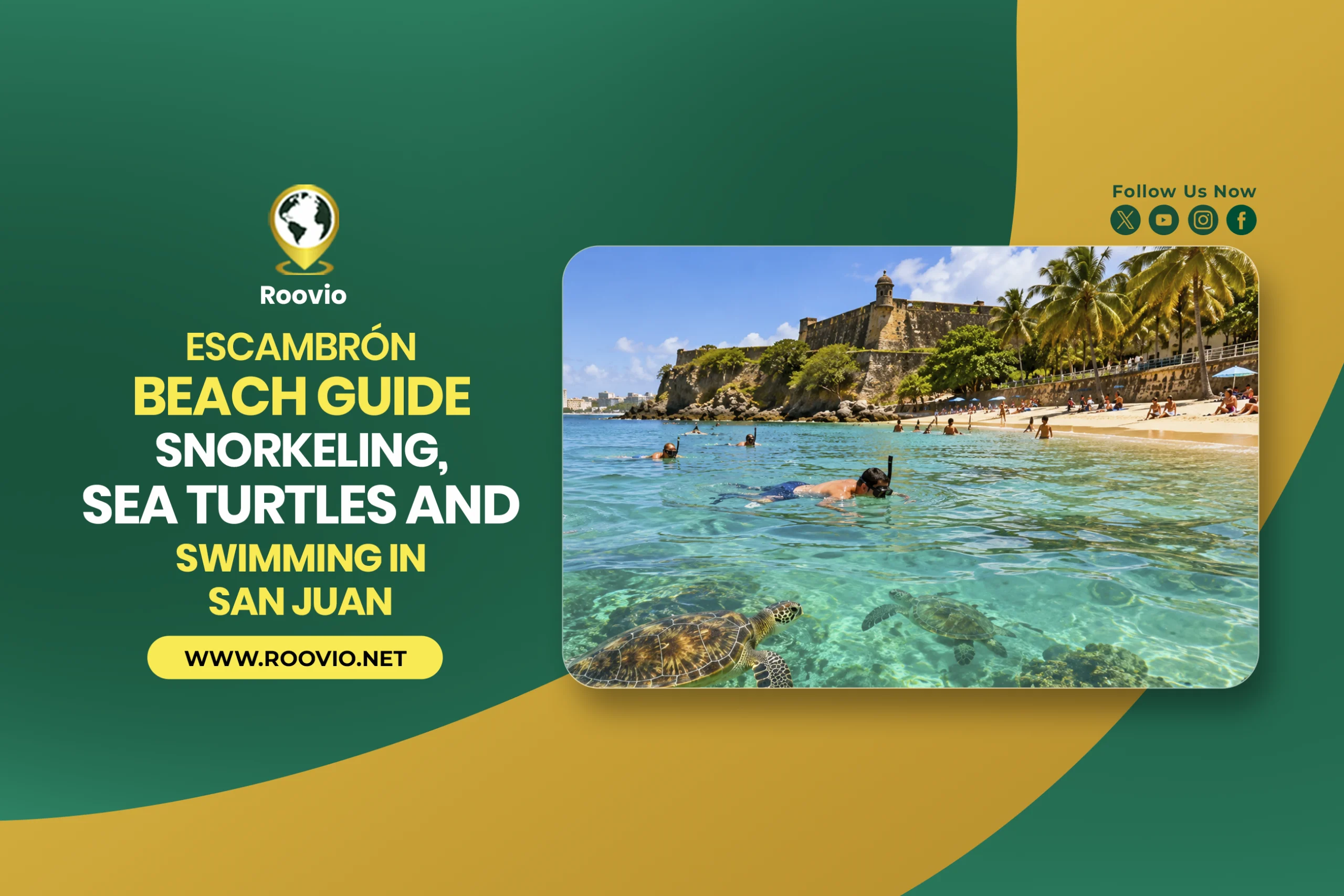
Staying in the capital on a short trip? The san juan puerto rico beach options hold up better than their reputation suggests. Escambrón is the clearest snorkeling spot in the metro area, with a protected cove and $5 parking. Isla Verde runs wide and easy with vendors on the sand. Balneario de Carolina next door has lifeguards and bathrooms. Ocean Park catches wind and often flies a red flag, so check conditions before committing.
Frequently Asked Questions
Which is the single best beach in Puerto Rico for clear water?
Flamenco in Culebra is the best beach Puerto Rico has for sheer clarity, with Playa Carlos Rosario and the south-coast beaches of Vieques close behind. On the main island, Buyé and El Combate in Cabo Rojo run clearest most weeks.
Which region has the best beaches in Puerto Rico?
Rankings of the best beaches Puerto Rico offers usually split by coast. The southwest and the offshore islands win on water clarity and calm. The west coast wins on atmosphere and food. The northeast wins on convenience and family safety. The north coast is stunning between April and August and dangerous outside it.
Is a Jeep necessary to reach the best beaches Puerto Rico offers?
No, but it helps in two places. The final road into Playa Sucia is rough, and several west-coast spots like Playuela sit behind muddy tracks. A standard car handles Luquillo, Crash Boat, Mar Chiquita, and everything in San Juan.
When is sargassum seaweed worst?
Spring through summer, and it varies sharply by year and by coast. Vieques and the south take heavy hits some seasons while Escambrón and the metro beaches stay clean. Check recent photos before driving two hours.
Are the puerto rico beaches safe for weak swimmers?
Choose reef-protected balnearios. Luquillo, Escambrón, Balneario de Carolina, Punta Salinas, and Buyé stay calm most days. Avoid open Atlantic beaches during winter swells, and treat every red flag as a hard no.
Which beach in Puerto Rico works best with kids?
Luquillo, because the reef flattens the water and the facilities are real. El Combate and Buyé follow, since both stay shallow and bath-warm for a long walk out.
Is Culebra worth a day trip from San Juan?
Only with a pre-dawn start and a ferry booked in advance. Otherwise, stay overnight. Travelers who rushed it report spending more time in transit than on the sand.
The Short Version
The Puerto Rico best beaches list is less a ranking than a matching exercise. Turquoise and bragging rights point to Flamenco. A pier, a speaker, and pinchos point to Crash Boat. Cliffs and quiet point southwest to Playa Sucia. Calm water and grilled chicken from kiosk 8 point to Luquillo. A moon-shaped cove at sunrise points to Mar Chiquita. Five beaches, five completely different days, one island reachable without a passport.
That is the part worth holding onto when the inbox starts screaming again on Monday. The best beaches in Puerto Rico are not a fantasy to scroll past. They are a four-hour flight and one well-planned week. Join Roovio, follow the travelers whose pace matches yours, and copy the itinerary that already worked instead of building one from scratch.