Time is the most expensive thing when you’re traveling. One extra beach stop can eat up a morning with the drive, parking, getting changed, and figuring out where to get in.
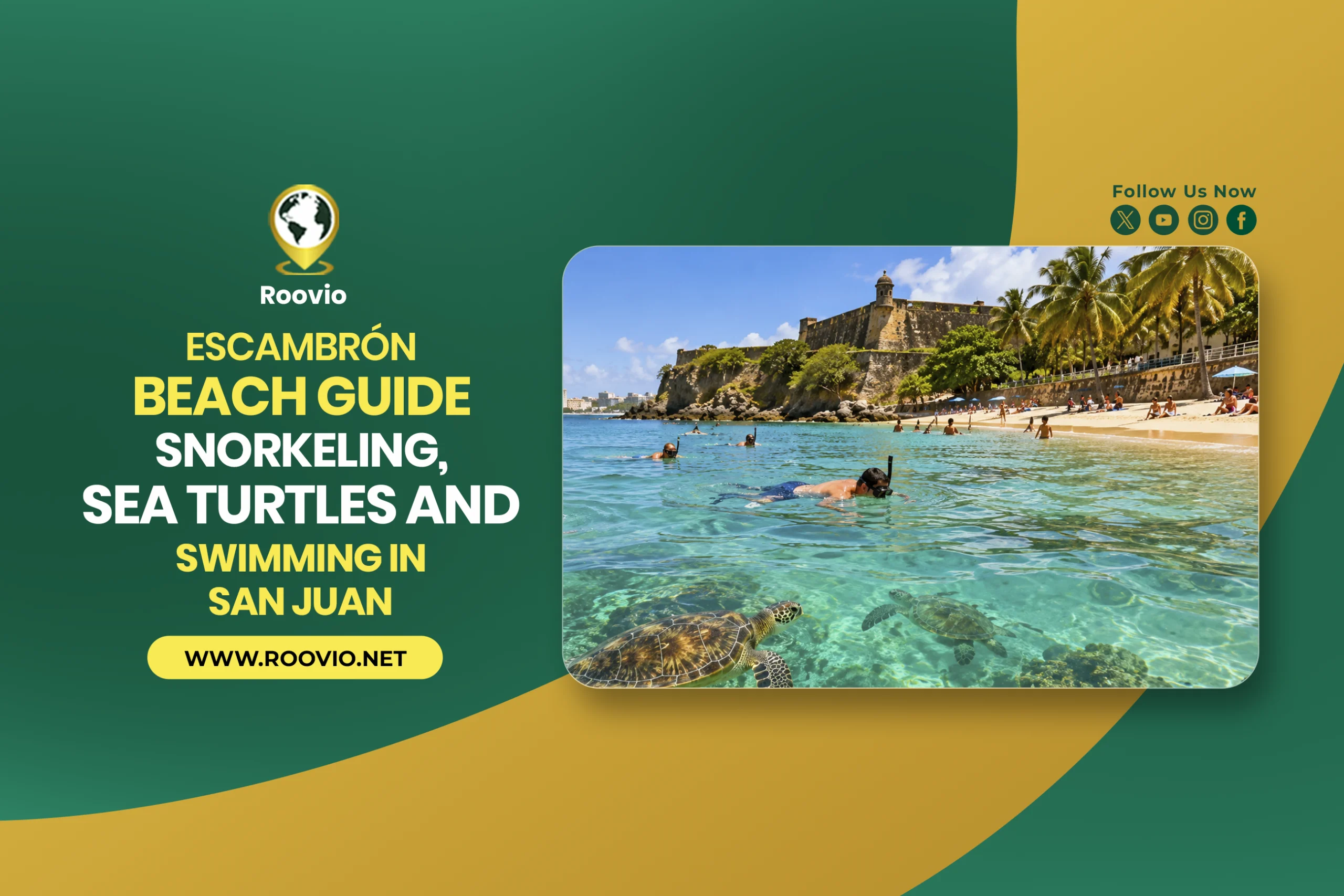
Escambrón Beach is one of those places that can fit easily into a San Juan day itinerary. It is located just outside Old San Juan, is free to enter, and gives you a chance to swim, snorkel, and look for sea turtles without going far out of the city.
But Escambrón Beach, Puerto Rico, has two sides, and each offers a different experience. Knowing where to go can make the difference between finding the snorkeling you came for and spending your time in the wrong part of the beach.
In this guide, we’ll show you where to snorkel, what you can realistically see in the water, where to look for sea turtles, what to bring, and which side makes more sense for your day.
Escambrón Beach at a Glance
Here’s the quick snapshot of Escambrón Beach so you know what you’re getting before you add it to your San Juan itinerary.
- Beach Hours: Open daily from 8:00 AM to 10:00 PM.
- Location: Escambrón Beach is located just outside Old San Juan, making it an easy beach stop when you're already exploring the historic district.
- Entry: The beach is free to enter, so you can swim or snorkel without paying for a beach club or booking a day trip.
- Two sides: A footbridge divides Escambrón into two sides, and both offer different swimming and snorkeling experiences.
- Snorkeling: The seagrass beds and rocky areas give you different underwater habitats to explore, depending on which side you choose.
- Sea turtles: Green sea turtles may be spotted around the seagrass, but seeing one is never guaranteed, according to Puerto Rico Snorkeling.
- Swimming: Escambrón is also a place to come simply for a swim and beach time, so you don't need to snorkel to enjoy the stop. If you're comparing different beaches in Puerto Rico, Escambrón is particularly convenient for a beach day in San Juan.
- Marine life: You can see reef fish and other marine life around the rocky areas and underwater habitat, adding more to the snorkeling experience beyond turtles.
- Facilities: Bathrooms, showers, lifeguards, and other beach amenities make Escambrón practical if you plan to stay for several hours.
- Parking and access: According to Escambrón Beach authorities, free street parking is available along Calle San Agustín and Avenida Juan Ponce de León. There is also a main parking lot with a flat-rate fee, but it can fill up on weekends and holidays. Private parking is also available near the Normandie Hotel and Caribe Hilton.
Escambrón Has Two Sides. Here's Where to Snorkel in Escambrón Beach
Escambrón Beach and Escambrón Marine Park are next to each other, but they are not the same place. The Balneario is the main beach with palm trees, lifeguards, swimming areas, parking, and places to settle in for a few hours. The Marine Park is the protected cove where Scuba Dogs is located, and this is the side to focus on if snorkeling and sea turtles are your main reason for coming.
Between them sits one of Puerto Rico’s historic landmarks, Escambrón Battery, with its gray stone walls marking the point between the two areas.
Escambrón Marine Park: Go Here for Turtles and Snorkeling
If sea turtles are high on your list, head toward Escambrón Marine Park, also known locally as Turtle Bay. The shallow water here includes sandy areas covered with seagrass, which provides feeding habitat for green sea turtles.
Scuba Dogs is also based in this cove, making it an easy landmark for finding the Marine Park. This is where you'll find the underwater structures, reef habitat, and the main snorkeling activity.
Turtles are still wild animals, so a sighting is never guaranteed. But if you're coming specifically to look for them, this is the area that makes the most sense to explore rather than simply getting into the main Balneario swimming area.
Escambrón Beach: Better for Swimming and Beach Time
The Balneario El Escambrón is the beach most visitors picture when they search for Escambrón Beach. This is where you'll find the sandy swimming area, palm trees, lifeguards, parking, chairs and umbrellas, and the facilities that make it easy to spend a relaxed afternoon.
You can still see fish around the rocks near shore, and recent visitors have reported snorkeling here. But if your main goal is sea turtles, seagrass, or the underwater structures, don't assume the main beach is the same snorkeling experience as the Marine Park.
The short walk between these areas can save you from spending your snorkeling time in the wrong part of Escambrón.
Snorkeling at Escambrón: Where to Get In and Where to Swim
La Poza del Escambrón, also known as Playa 9, is the better place to enter the water for snorkeling in the Escambrón Marine Park cove. You’ll find the footbridge and Scuba Dogs dive shop nearby. But don’t enter directly beside the dive shop. Walk about 100 steps west and look for the small pebble beach. The water is calmer and shallower here, making it an easier entry point.
If snorkeling is one of the main reasons you’re coming to Escambrón, drive into the park and use the public parking for about $5. For the snorkeling area, continue past the first parking lot toward the Scuba Dogs side. If the lot is full, you can also park across the street at Parque Luis Muñoz Rivera and walk over.
The bottom changes as you move around Escambrón. The main Balneario has more sandy areas for swimming, while the snorkeling side has pebbles, rocks, seagrass, and reef formations. Water shoes are useful around the rocky sections.
Where you enter also changes what you’re likely to see. Around the Scuba Dogs side and seagrass beds, you may spot sea turtles. For colorful tropical fish and reef life, explore the rocky areas around the main Balneario.
One thing to watch is visibility. Escambrón can look clear and blue from the beach but turn murky underwater, especially after rain and runoff. Sargassum can also collect in the Marine Park at times, so check conditions before you go.
Do You Need a Tour, or Can You Snorkel Escambrón on Your Own?
You don’t need a tour to snorkel at Escambrón. You can enter from the beach, put on your mask and fins, and explore the protected water on your own. This also means you can stay for an hour or two instead of spending half a day on an excursion.
A tour makes more sense if you don’t have your own equipment or want someone to take you around the turtle and reef areas. Scuba Dogs operates from the Marine Park and is the local place to check for snorkel gear and guided trips.
For a simple beach day, though, DIY snorkeling is enough. Bring your mask, fins, and water shoes, enter from the pebble beach, and explore at your own pace. Just remember that seeing turtles is never guaranteed, even in the seagrass area.
What Can You See While Snorkeling at Escambrón?
Escambrón has more than one type of marine life. What you see depends on which part you explore and how clear the water is.
- Green Sea Turtle: Chelonia mydas feeds around Escambrón’s seagrass beds, making these shallow areas your best chance for a turtle sighting.
- Pufferfish: Small pufferfish hide around Escambrón’s rocks and reef formations, so slow snorkeling helps you spot them.
- Tropical Reef Fish: Colorful reef fish gather around rocky areas and coral formations, especially where the underwater structure provides shelter.
- Seagrass Beds: Shallow seagrass provides feeding habitat for green sea turtles and supports smaller marine life around the Marine Park.
- Coral Reef: Coral formations create shelter for reef fish and other creatures, giving snorkelers another habitat to explore.
- Rocky Reef: Rocky edges attract tropical fish and smaller marine life, making them worth exploring slowly with your mask underwater.
- Stingray: Stingrays may appear around sandy and shallow areas, so give them space and avoid chasing them during sightings.
- Octopus: Octopuses can hide between rocks and reef formations, making them harder to spot but rewarding for patient snorkelers.
- Sea Urchin: Sea urchins live around rocky sections, so water shoes can protect your feet while entering or moving through these areas.
Is Escambrón Safe to Swim? Rip Currents and Red Flags Explained
Escambrón is generally calm inside its protected swimming areas because natural rock formations and coral reefs help break the waves. There is no formal roped-off swimming zone, so pay attention to where the natural barriers keep the water calmer.
For beginners, stay inside the protected lagoon behind the offshore breakwater at Balneario El Escambrón. Rip currents are not common inside this sheltered area, but conditions can change, so don't ignore the beach flags.
Lifeguards are on duty from 8:30 AM to 5:00 PM and monitor the water conditions during the day. They put up the safety flags and can change them when waves or currents become a concern.
If the water looks rough or a red flag is flying, don't treat the calm-looking section as a guarantee that conditions are safe. Check the flag and follow the lifeguards' instructions before getting in.
What to Bring, and the Gear Problems That Ruin People's Day
- Anti-fog: A foggy mask can ruin snorkeling even when the water is clear.
- Mask fit: A leaking mask is more annoying than not having the fanciest gear.
- Fins: Loose fins can rub your feet or come off while swimming.
- Water shoes: Useful for the pebble entry and rocky sections, especially when you need to stand briefly.
- Sunscreen: You can burn surprisingly quickly while floating in the water. Use reef-conscious sunscreen and reapply after swimming.
- Towel/change of clothes: Especially useful to add to your Puerto Rico packing list if snorkeling is only one stop in your San Juan day.
- Life vest: Worth mentioning for weaker swimmers or anyone uncomfortable in open water, but don't imply every snorkeler needs one.
- Small bag: Keep the gear simple. The less you carry into the water, the less you have to worry about.
Dive Into the Right Cove
Turtles, colorful fish, and easy snorkeling make Escambrón worth the stop. Its location near Old San Juan makes it even easier to fit into a busy day. The only trick is knowing where to go, because not every part of Escambrón gives you the same experience.
So skip the wandering around, head to the right cove, and give yourself enough time to actually enjoy the water. Once you're done snorkeling, you can carry on with the rest of your San Juan day instead of losing hours figuring out what to do next.
If you want that whole day planned for you, download the Roovio App. You can see where to stay, where to grab lunch or dinner, which Puerto Rico landmarks fit nearby, and how other travelers spend their time around the city. It takes the guesswork out of turning one good snorkeling stop into a full day worth remembering.
FAQs
Can I snorkel with turtles in San Juan?
Yes, you can sometimes see green sea turtles while snorkeling in San Juan, and Escambrón Marine Park is one place to look. The turtles feed around the seagrass beds, but they are wild animals, so sightings are never guaranteed.
What is the best time to see sea turtles in Puerto Rico?
For Escambrón, morning is a good time to go because the water is often calmer and visibility can be better. If turtles are your main goal, head to the seagrass areas around Escambrón Marine Park rather than staying only in the main swimming area.
What is the best beach in San Juan, Puerto Rico for swimming?
Escambrón Beach is a practical choice if you want calm swimming water close to Old San Juan. Its protected swimming area is sheltered by the reef and rock formations, while the beach also has lifeguards, showers, restrooms, and parking.
Where Do You Put Your Phone, Keys, and Wallet?
Try not to bring more valuables than you need. Keep your phone, keys, and wallet in a waterproof pouch or small dry bag, and don't leave them visible inside your car while you're snorkeling. A floating waterproof phone pouch is useful if you want to take your phone into the water, while a larger dry bag works better for keeping clothes and other items dry on the beach. The simplest option is still to leave anything you don't need at your hotel.