
 4 Days
 Kyoto Travel Guide for First-Time Visitors

Kyoto is a city best understood in the early hours. The temples that feel impossible by noon — shoulder-to-shoulder, every photo crowded — are serene at 7 AM. If you take one thing from this guide, let it be that: arrive early, rest at midday, and come back out as the light goes gold.
What follows is the shortlist a first-timer actually needs — the shrines worth the early alarm, the places to eat between them, and the neighborhoods where Kyoto stops performing and simply exists. Every spot below is one we'd send a friend to on their first trip.
Best time to visit
Cherry blossomLate Mar – Mid Apr
Autumn maplesLate Oct – Nov
QuietestEarly Dec · Early Jun
Temples & Shrines Worth the Early Start
Three that reward the early alarm. Go at opening, beat the buses, and you'll see a different Kyoto than the afternoon crowds ever do.
1
Fushimi Inari Taisha
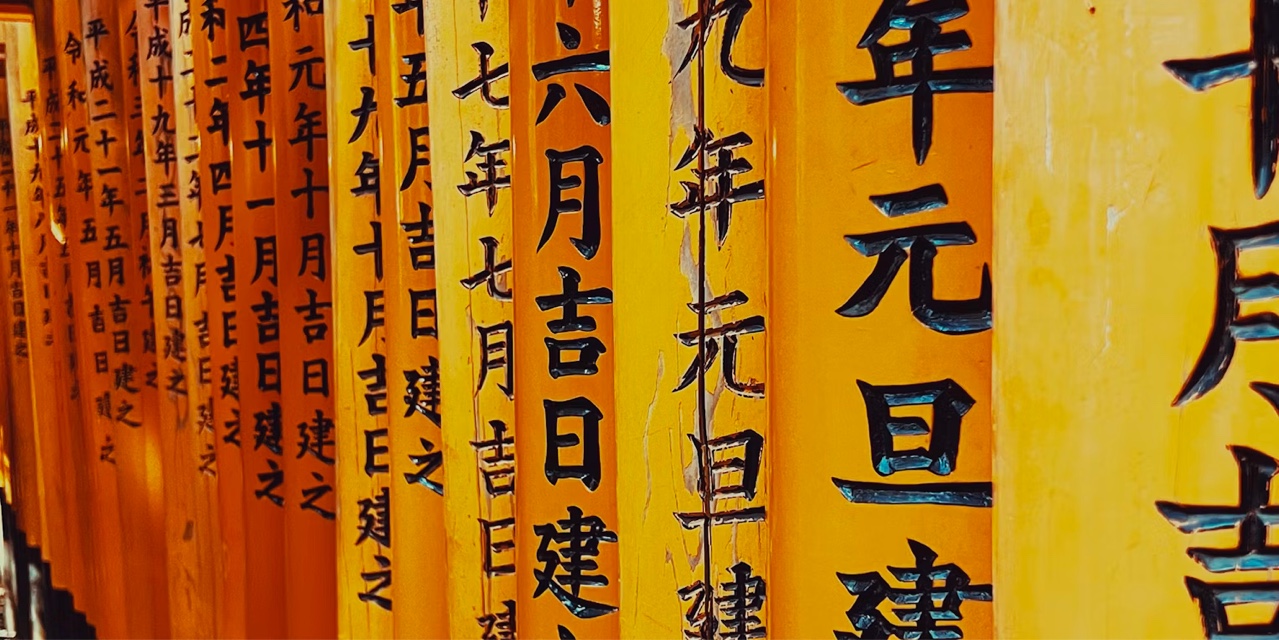
Thousands of vermillion torii gates climb the wooded slope of Mt. Inari. Arrive at dawn and the upper trails are almost yours alone — the light filtering through the gates is the photograph everyone comes for, minus the crowds that fill the lower paths by nine.
Tip: The full summit loop takes 2–3 hours. Most visitors turn back at the Yotsutsuji intersection — and the view from there is plenty.
4.8 Roovio · 142 reviews 4.7 Google · 96k reviews
2
Kiyomizu-dera
The great wooden stage juts out over a hillside of cherry and maple, with the whole city spread below. Go right at opening — by mid-morning the approach slopes are shoulder-to-shoulder with school groups and souvenir stalls.
4.9 Roovio · 178 reviews 4.6 Google · 78k reviews
3
Ginkaku-ji
The Silver Pavilion's raked sand cone and moss gardens are a study in restraint. Follow the short hillside loop for a view back over the rooftops you won't get from the entrance, then walk down toward the Philosopher's Path.
4.7 Roovio · 102 reviews 4.5 Google · 32k reviews
Walk the eastern slopes; take the bus only when you're crossing the whole city. Kyoto reveals itself between the temples, not at them.
Where to Eat & Drink
Kyoto's food is seasonal and quietly precise. Book one proper meal to understand the city's rhythm — then graze your way through the rest.
1
Nishiki Market
Five narrow blocks of stalls selling pickles, tofu, knives, and skewered everything. Graze slowly — most stalls offer a taste, and a market breakfast here is a meal assembled bite by bite.
4.6 Roovio · 121 reviews 4.4 Google · 54k reviews
2
Hyotei
A centuries-old restaurant where lunch arrives as a sequence of small, seasonal courses. It's a splurge, but it's the meal that teaches you how Kyoto thinks about food — precise, quiet, deeply tied to the season.
Tip: Book the annex lunch a day or two ahead. Counter and garden-room seats go first.
5.0 Roovio · 64 reviews 4.8 Google · 1.9k reviews
3
% Arabica Arashiyama
A riverside coffee bar with a queue for good reason — excellent pour-overs and a view of the Katsura River. Grab a cup and walk it along the water rather than waiting for a seat.
4.5 Roovio · 58 reviews 4.4 Google · 9.2k reviews
Neighborhoods to Wander
Where Kyoto stops performing and simply exists. Save these for late afternoon into evening, when the light and the lanterns do the work.
1
Gion
As the lanterns flicker on along Hanami-koji, Gion shifts into its evening self. Walk the side lanes rather than the main strip — the wooden machiya teahouses feel quieter and far more atmospheric a street back.
4.8 Roovio · 211 reviews 4.6 Google · 41k reviews
2
Pontocho Alley
A lantern-lit alley barely wide enough for two, lined with tiny bars and riverside terraces. Pick a place with a kawayuka deck over the Kamo River and let the evening stretch.
4.7 Roovio · 97 reviews 4.6 Google · 27k reviews
3
Philosopher's Path
A canal-side stroll lined with cherry trees connecting Ginkaku-ji toward Nanzen-ji. Café stops are encouraged — this is the walk to do without a clock, ideally with a coffee in hand.
4.6 Roovio · 74 reviews 4.6 Google · 22k reviews
Know Before You Go
- Bow slightly at temple gates before entering, and again as you leave.
- Remove shoes where you see a step up to tatami or polished wood.
- Photography is welcome in most grounds but not inside main halls — watch for the signs.
- Pair a rechargeable IC card with your own two feet; the eastern temple district is best walked, slope by slope.
Trips That Pair With This Guide
4 Days More Guides for Kyoto
Panama City Beach 4 min
Two Weeks in a Carry-On
A capsule list that survives three climates and zero checked bags.
Amal Bennani
Panama City Beach 8 min
The Case for Staying Put
Why one base and a wider radius beats a new hotel every night.
Giulia Conti
New York 5 min
Weekend Trips Worth the Short Flight
Two-night routes that feel like a reset without burning a week of leave.
Wei Lin
Ready to Turn Inspiration Into a Real Trip?
Explore itineraries, save your favorites, and unlock complete trip details inside the app.